Have you ever noticed how certain colors in your home make you feel a certain way? Maybe a bright yellow kitchen lifts your spirits, while darker shades bring you down. It’s interesting to think about how layout affects your mood too—like how a cozy nook can invite conversation. What about the way natural light floods in through your windows? It seems like every little detail plays a part. But, what if you could design your space to better support your emotions?
The Essentials
- Color influences emotions; bright hues can enhance happiness, while calm colors like deep blue can soothe anxiety.
- Thoughtful furniture arrangement fosters comfort and encourages social interaction, enhancing emotional well-being.
- Natural light exposure regulates mood and boosts energy, making it essential for productive and uplifting spaces.
- Personalizing your space with meaningful decor and favorite colors fosters a sense of identity and comfort.
- Soundproofing and soothing acoustics create peaceful environments that improve relaxation and concentration.
The Impact of Color on Emotions
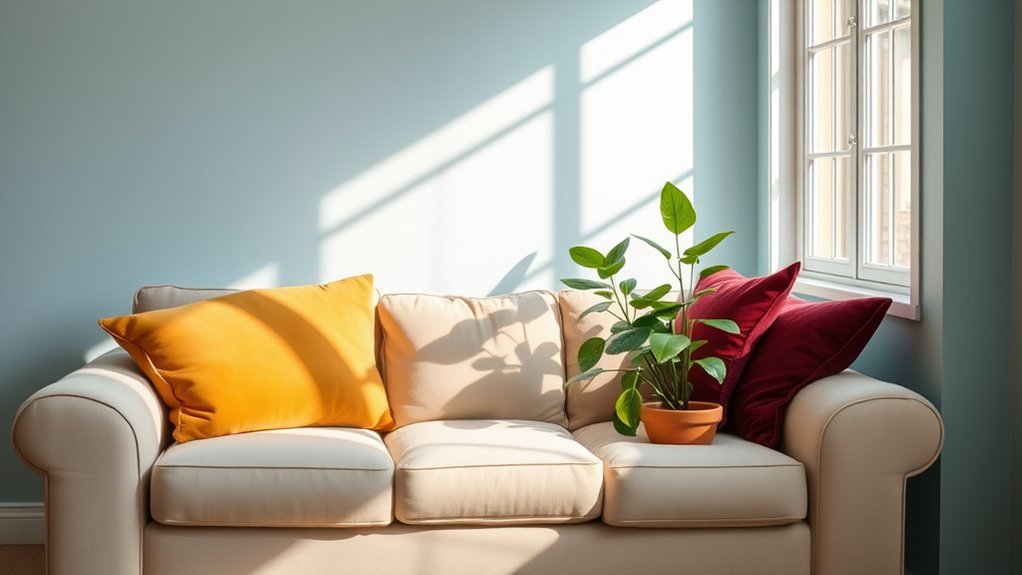
When you walk into a room, the colors surrounding you can instantly shape your mood—sometimes in ways you don’t even realize. Color psychology plays a huge role in how you respond emotionally. Think about it: a bright yellow can spark happiness, while a deep blue might calm your nerves.
Ever notice how a red room can make your heart race? You may not like that feeling, or maybe you thrive on it.
It's fascinating how different shades can trigger different emotional responses. Consider your favorite spaces; do they lift you up or bring you down?
When choosing colors for your home, pay attention. What do those hues say about how you want to feel? Your surroundings can really influence your day-to-day life.
Layout and Flow: Creating Comfortable Spaces
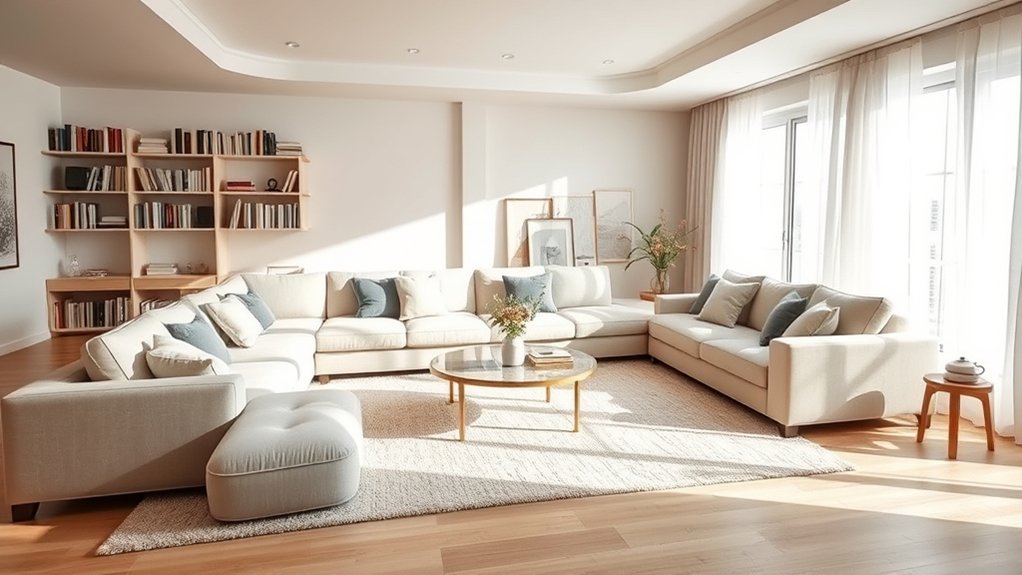
How do you want to feel when you step into your living space? Comfortable? Energized? Think about your furniture arrangement. It can really make or break your vibe. Try grouping seating for conversation or positioning a cozy chair near a window. Space zoning helps too. Create distinct areas for different activities—maybe a reading nook, a workspace, or a dining area. This way, your home feels organized and functional, without being cramped.
You don’t need a ton of space for this. Even in smaller areas, a good layout can work wonders. Ever thought about how the flow affects your mood? It’s worth considering. You might find that slight adjustments can drastically change how you feel in your own home.
The Role of Natural Light in Enhancing Mood
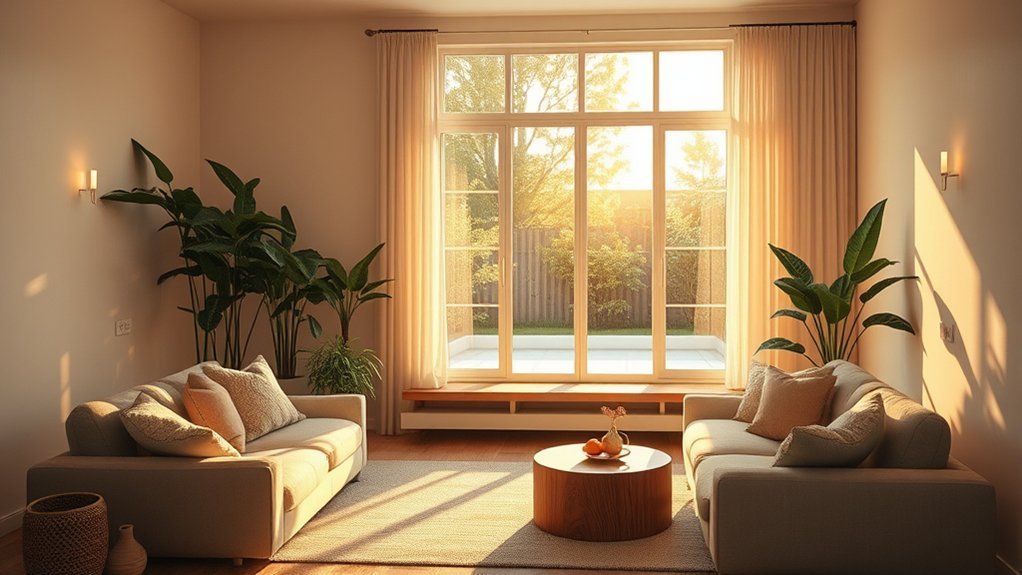
Natural light plays a big role in how you feel in your space. Sunlight exposure helps with mood regulation, right? It’s amazing how light affects your circadian rhythms, influencing your energy levels throughout the day. If you work from home, consider how natural light can enhance your workspace productivity. You might notice a difference in your emotional well-being when you’re surrounded by bright, airy rooms.
Got seasonal affective issues? Maybe light therapy could be part of your routine. Think about using design strategies like larger windows or lighter colors to invite more sunlight in. Have you tried rearranging your furniture to optimize those sunbeams? Little changes can really lift your spirits, and it’s all about finding what works best for you.
Personalization: Infusing Your Space With Identity
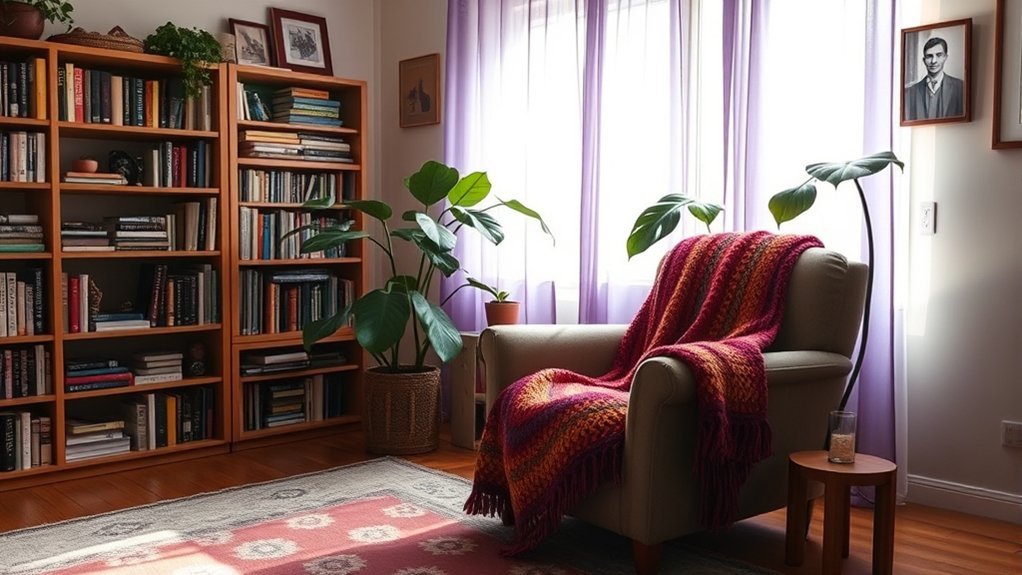
While you might think of your home as just a roof over your head, it’s actually a canvas for expressing who you are. Your personal style deserves to shine through. Think about the pieces that make you feel connected—maybe it's that vintage lamp from your travels or artwork that speaks to you.
Meaningful decor isn’t just about aesthetics; it tells your story. When you choose items that reflect your passions, your space becomes a true extension of yourself.
Do you have a favorite color that calms you? Use it as a base.
Or perhaps a collection that sparks joy? Display it proudly.
As you personalize your home, ask yourself: what makes this space uniquely yours?
The Influence of Nature and Greenery in Home Design
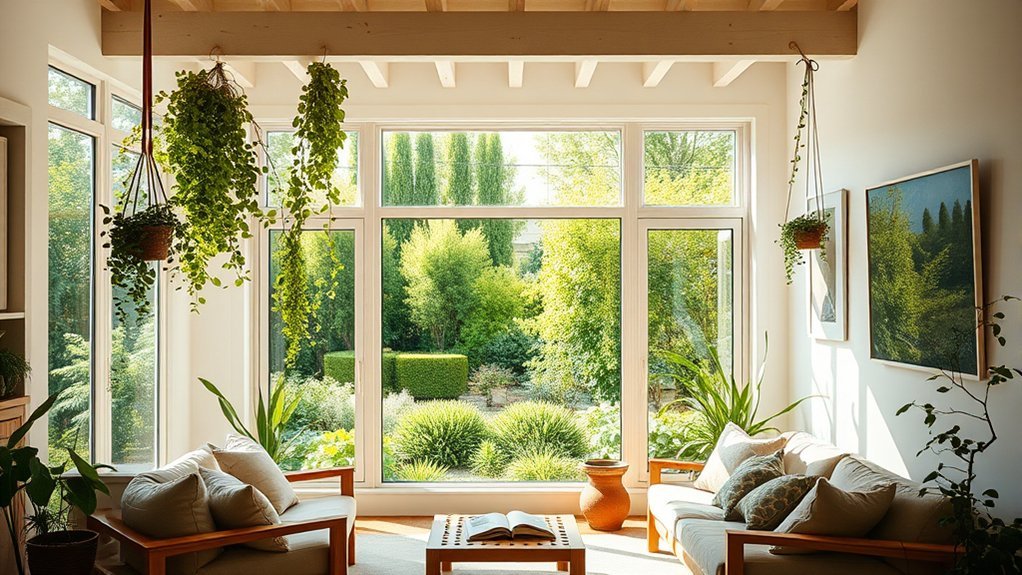
Have you ever noticed how a few indoor plants can change the vibe of a room? The way natural light pours in can really impact your mood, too. Maybe you’ve heard of biophilic design principles, which suggest that connecting with nature in your home can make you feel more relaxed and focused.
Benefits of Indoor Plants
Bringing indoor plants into your space can really transform how you feel at home. They’re not just pretty to look at; they can boost your mood too. Think about it—when you care for a plant, you’re nurturing life. That sense of responsibility can really enhance your daily experience.
Just watering a snake plant or trimming a pothos can shift your focus from stress to something positive. Have you noticed how greens can brighten up a dull corner?
Plus, they help clean the air, which is a nice bonus. It’s like having a little piece of nature right inside your living room. So, what plants are you thinking about adding? A few succulents? Maybe a fern? Just go for it!
Natural Light Effects
How does natural light make you feel in your space? You might notice that daylight exposure changes your mood throughout the day. In the morning, that warm glow can energize you, while in the afternoon, it might create a cozy vibe. Have you ever thought about how the seasons shift that light? Winter brings shorter days, and you might feel a bit gloomy without enough sunlight. Adding sheer curtains can help diffuse harsh light and keep things bright without overwhelming your senses. You could also consider mirrors to reflect light around the room. Just think about how a little more natural light might lift your spirits or make your space feel more alive. What changes could you make to invite more of it in?
Biophilic Design Principles
When you think about your home, it’s easy to overlook the power of nature within your space. But incorporating biophilic design principles can really enhance your daily mood. Think about how you can foster those biophilic connections in your living environment.
You might consider:
- Adding indoor plants for nature immersion.
- Using natural materials like wood or stone.
- Maximizing views of the outdoors with large windows.
- Incorporating water features for a calming effect.
These elements can make your home feel more alive, helping you connect with nature even indoors. Have you thought about how greenery or natural light impacts your feelings? Making small changes could bring you joy and tranquility. It’s worth exploring what resonates with you.
Sound and Acoustics: Crafting a Peaceful Environment
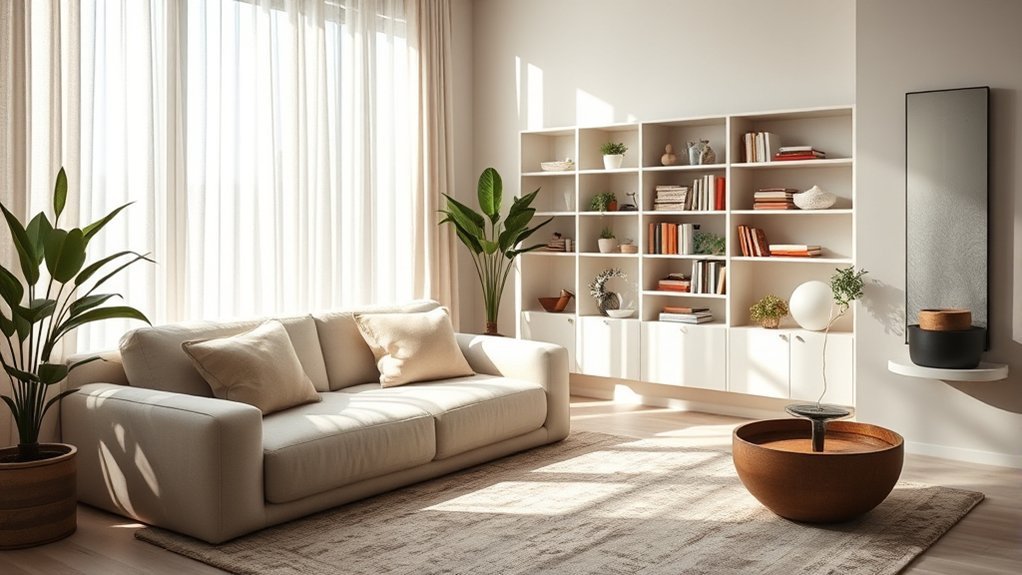
When you think about your home, sound often gets overlooked, right? But, soundproofing can really change how peaceful your space feels. Plus, choosing calming soundscapes, like gentle rain or soft music, can make a big difference in your mood.
Importance of Soundproofing
While you might not always notice it, sound can deeply affect your mood and overall well-being. Think about how distracting noises can ruin your focus or relaxation. That's where soundproofing comes in. By using acoustic materials, you can create a serene space that promotes peace. Consider these points:
- Wall panels: They absorb sound and reduce echoes.
- Rugs and carpets: These help with noise reduction by dampening footsteps.
- Double-glazed windows: They block out street noise effectively.
- Sealing gaps: Even small cracks can let in unwanted sounds.
Have you thought about how much your environment impacts your daily life? A quiet home not only boosts your productivity but also enhances your relaxation time. It's worth the effort, right?
Choosing Calming Soundscapes
Choosing calming soundscapes can really transform your living space, especially if you consider how certain sounds affect your mood. Think about it—ambient music creates a soothing backdrop, while nature sounds can make you feel like you're outside, even when you're indoors.
You might enjoy soft piano tunes or gentle rain sounds. Have you ever noticed how a babbling brook can ease tension? You could try mixing tracks, too. Maybe start with nature sounds and layer in some light ambient music.
It’s all about what resonates with you. Experiment a bit. What makes you feel relaxed? You’ll find that the right soundscape can influence your thoughts, help you focus, or simply make you feel... good. Try it out!
Frequently Asked Questions
How Does Furniture Placement Affect Relationship Dynamics at Home?
Furniture arrangement greatly influences relationship interactions at home. By optimizing your seating layout, you create spaces that encourage conversation and connection, fostering intimacy and understanding while minimizing distractions and promoting a harmonious living environment.
Can Home Design Influence Productivity in Remote Work?
Yes, home design can greatly influence your productivity in remote work. Effective workspace organization and proper lighting effects create an environment that minimizes distractions, boosts focus, and enhances your overall effectiveness throughout the day.
What Are the Psychological Effects of Clutter in Living Spaces?
Clutter can increase stress and overwhelm you, making it hard to focus. By organizing your space, you’ll experience significant benefits, including reduced anxiety and improved productivity, creating a more peaceful and effective living environment.
How Does Home Design Impact Mental Health Over Time?
Home design impacts your mental health over time by influencing your mood and stress levels. Color psychology can uplift you, while spatial awareness helps you feel organized, fostering a calming environment that enhances your well-being.
Are There Specific Design Styles That Promote Relaxation?
Certain design styles, like minimalist aesthetics, promote relaxation by reducing clutter. Pairing these with soothing colors, such as soft blues or greens, creates a calming environment that helps you unwind and recharge effectively in your space.
Final Thoughts
Designing your home isn’t just about looks. It’s about how you feel every day. So, think about the colors around you—do they lift your spirits? Or maybe your space feels cramped, and you need to rearrange things for better flow. Adding plants can really brighten a room, too. What personal touches can you add to make it truly yours? Your home can be a reflection of you, shaping your mood in ways you might not even realize.