You know how some days you feel more at ease in your home than others? You might not realize it, but the colors you've chosen for your walls have an impact. Blues and greens, they can soothe you, while yellows and oranges can give you that extra boost of energy. But it's not just color. Think about your furniture layout. Does it invite conversation or does it make you feel isolated? And what about the natural light or plants? You've probably noticed that having a bit of nature indoors makes a difference. Makes you wonder, though, how much these design choices shape your daily mood.
The Essentials
- Colors influence mood and behavior, with blues and greens calming, while yellows and oranges energize.
- Proper furniture arrangement enhances flow and functionality, impacting social interaction and comfort.
- Biophilic design elements, like plants and natural light, create a peaceful home environment.
- Lighting techniques, such as ambient and task lighting, alter mood and prevent eye strain.
- Personalization in design sparks joy and fosters emotional connections to the home.
The Power of Color Schemes
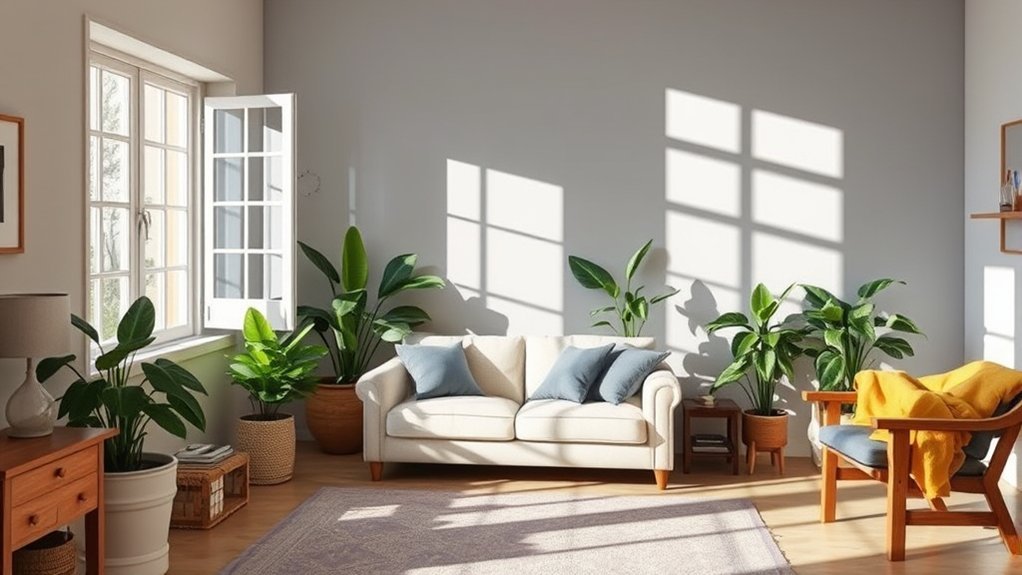
Did you know that the colors you choose for your home can dramatically affect your mood and behavior? It’s true. Ever walked into a room and felt instantly calm or invigorated? That's color psychology at work. It’s all about the emotional impact colors have on you.
For instance, blues and greens are known for their soothing effects—perfect for bedrooms or bathrooms. Meanwhile, yellows and oranges can energize, making them great for kitchens or living rooms. But remember, it’s not one-size-fits-all. Pay attention to how certain colors make you feel. Maybe red makes you anxious, or perhaps a soft pink brings you peace.
Consider the functions of each room too. A bright white might keep you alert in a home office, but do you want that in your bedroom? Think about it.
Experiment a bit. See what colors resonate with you and why. It’s your space, after all. Make it work for you.
Furniture Arrangement: Enhancing Flow and Functionality
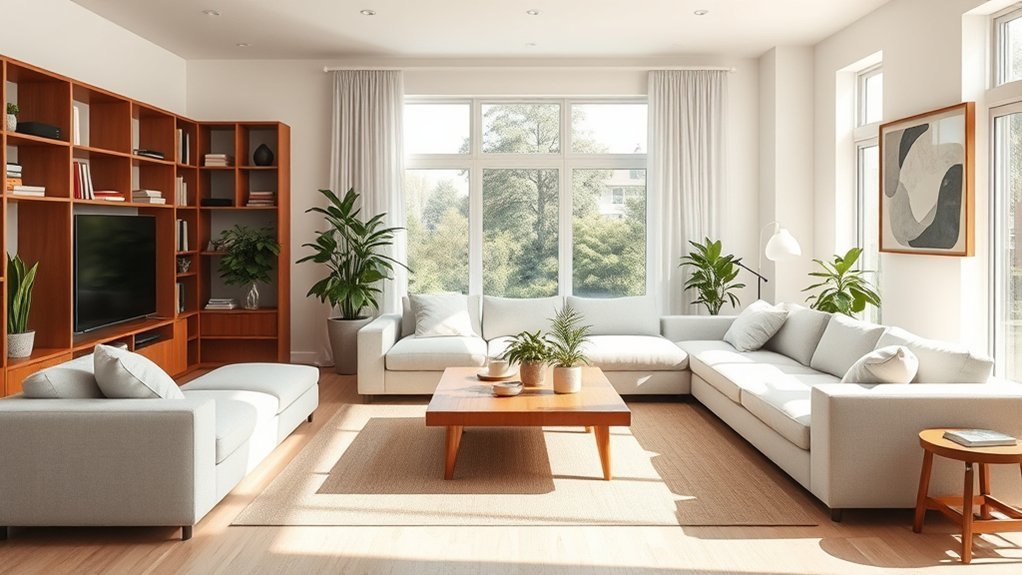
Color isn’t the only thing that sets the tone of a room.
Consider the layout of your furniture. You know how some rooms feel just right? Like when your sofa faces the fireplace, inviting conversation. Or when your bed is tucked into that cozy nook, making mornings a bit more bearable. That's not accidental—it’s furniture arrangement at work.
Think about space enhancement. Don’t just push everything against the walls. Pull pieces in, create cozy nooks. Make your room breathe. Ask yourself: Can you navigate effortlessly from one area to another? Does each piece serve a purpose? That's furniture functionality. If a chair is just gathering dust, maybe it's time to rethink its place.
Try this: Walk through your home.
Feel the flow. Does it make sense? Do rooms connect fluidly? Or are there bottlenecks, areas where you stumble? Tweak things. Experiment. Make your space work for you, not against you.
Now, look around. Better, right? But don’t settle. Home design is an ongoing process. Keep adjusting, keep improving. After all, your mood might thank you for it.
Integrating Nature: Biophilic Design Principles
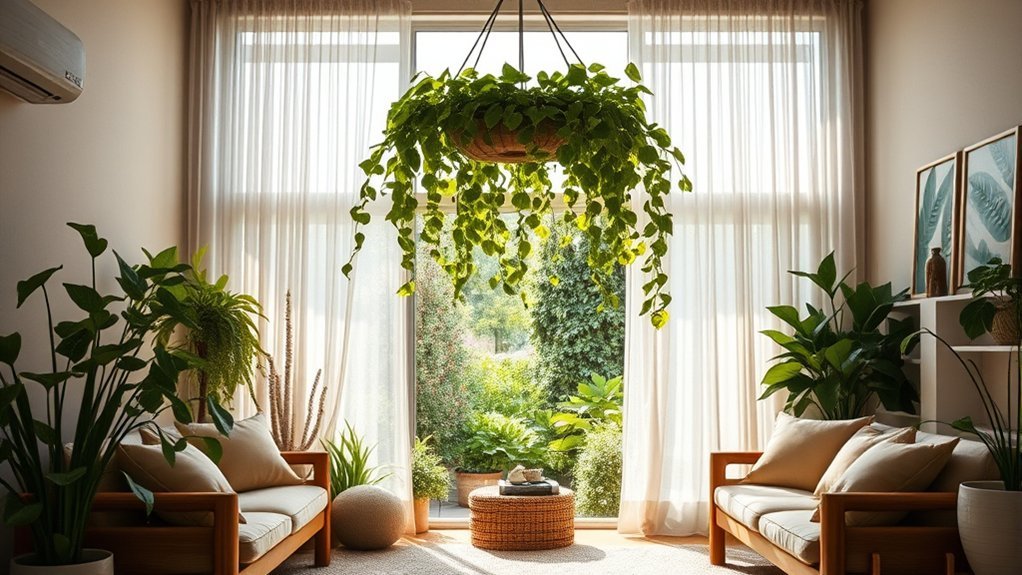
When you think about it, there’s something innately calming about nature. It’s just… soothing. Biophilic design brings that peaceful vibe into your home. You don’t need a grand plan, just start small. Try indoor gardening—a few potted plants by the window can make a difference. Remember that nature immersion isn’t just about plants; it’s also about light, textures, and sounds. Open your curtains wide, let the sunlight in.
Consider materials that echo nature—wooden floors, stone countertops. Ever thought about a small fountain in the corner? The gentle sound of water can be surprisingly calming. Not everyone has a green thumb, but even a low-maintenance snake plant can brighten up a room. And who knows? You might find yourself adding more greenery over time. Ever noticed how a simple breeze can shift your mood? Open a window, let the fresh air circulate. It’s these little touches that connect you back to the outdoors, even when you’re stuck inside. So, what part of nature do you miss most indoors? Start there.
Lighting Techniques for Mood Regulation
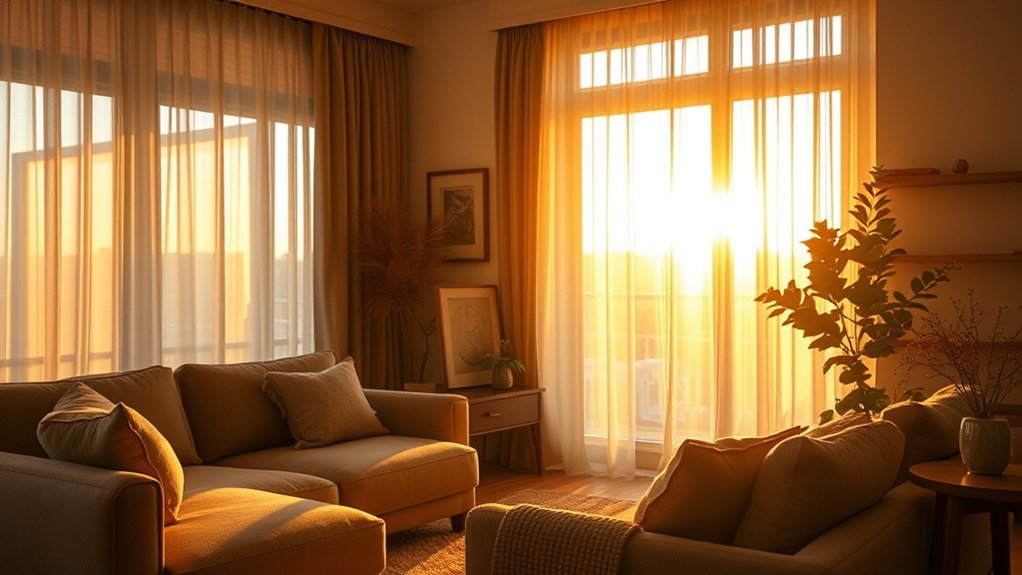
As you look around your space, consider how different types of lighting can completely change the atmosphere. Intense, direct light—think harsh overhead bulbs—can make you feel alert, but maybe not so relaxed. That’s where ambient lighting comes in. It softens the mood, reducing those harsh shadows that can feel a bit too dramatic. Placing a few table lamps around can work wonders. The glow they cast makes your space feel cozy, intimate.
Now, for tasks, you need a bit more precision. Task illumination, like a desk lamp, helps you focus. It’s direct, purposeful. But remember, it shouldn’t be your only light source. Otherwise, you’ll strain your eyes and create an uncomfortable contrast with the rest of the room.
Personalization: Expressing Yourself Through Design
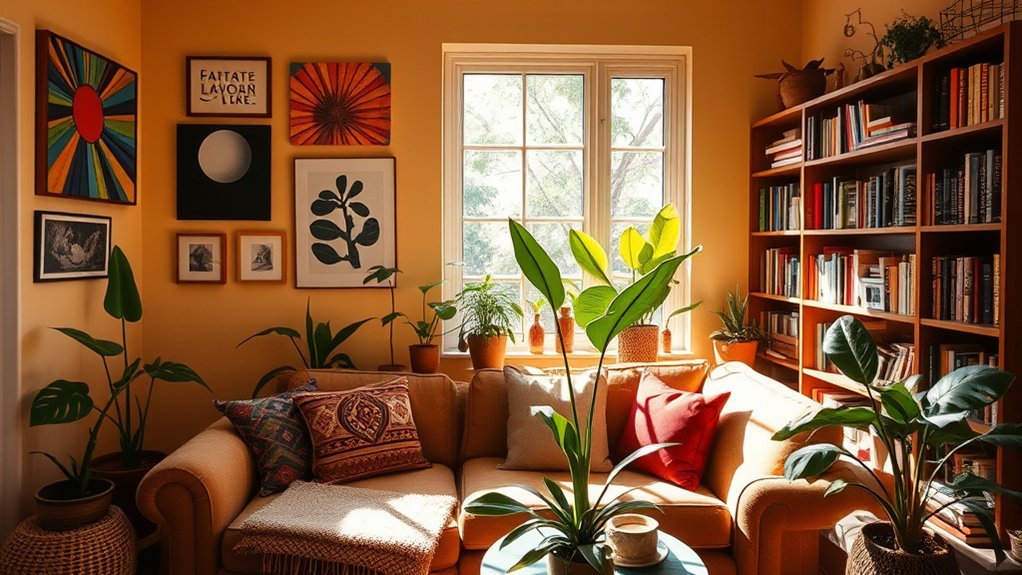
You've got your lighting sorted, creating the perfect blend of function and mood. Now it's time to look around your space and think—what's missing? You. Yeah, you’re living there, obviously, but is your personality reflected in the design aesthetics?
Personalization isn’t just about picking your favorite colors or styles from a magazine. It’s about digging deeper. What are your passions? Your history? Think about your travels, hobbies—even your heritage. Got a vintage camera collection? Display it. Love hiking? Frame a map of your favorite trail. Personal artifacts tell your story, spark joy, and create conversation starters.
But how do you start? Try this. Walk into a room and close your eyes. Picture your happiest memory or your biggest achievement. What objects represent that? Are they in your space? They should be.
Don’t be afraid of eclectic. Who cares if your grandmother’s vintage vase “doesn’t match” your modern sofa? What matters is...
Frequently Asked Questions
How Does Clutter Affect Mental Health?
Living in a cluttered environment can cloud your mental clarity, leaving you feeling stressed and overwhelmed. It bombards you with excessive stimuli, making it harder to focus and relax, thereby affecting your mental health.
Can Design Impact Productivity in a Home Office?
Absolutely, design can impact your productivity in a home office. When you consider workspace aesthetics and color psychology, you're creating an environment that energizes or calms you, directly influencing your focus and effectiveness. For instance, incorporating blue can boost concentration, while green promotes harmony. Moreover, a well-organized space reduces distractions, letting you tackle tasks more efficiently.
How Do Scents in the Home Influence Mood?
Scents in your home trigger scent associations, affecting your mood. You can use this to your advantage with aroma therapy. Lavender calms, while citrus invigorates, so choose your scents wisely!
Can the Use of Technology in Design Enhance Well-Being?
When you integrate smart home technology, it can streamline tasks and reduce stress. But don’t forget to schedule a digital detox, turning off devices to create tech-free zones for relaxation and rejuvenation. Balancing tech use guarantees it enhances, rather than overwhelms, your well-being.
Does the Style of Art in the Home Affect Emotions?
When you hang art in your home, consider how abstract expressionism can stir emotional resonance. Color psychology and the artist's intention amplify this effect, so choose pieces that evoke desired emotions.
Final Thoughts
You know, when you design your home, you're not just picking colors and arranging furniture. You're creating a space that's gonna impact how you feel every day. So maybe consider a soft blue for your bedroom, it might help you relax. Or think about moving your couch to face the window, see if it makes conversations flow better. Bring in some plants too, they can make a room feel alive. Play around with lighting—try a soft table lamp for those cozy nights. And hey, don't forget to add your personal touch. Hang that weird art you love, or finally put up those travel photos. Make your space your own.
If you walk into your home and it just feels right, you're onto something. What's that gonna look like for you?