You know how some spaces just feel right? Your home isn't just walls and furniture—it's a living emotional environment that quietly shapes your daily mood. Every color choice, every lamp placement, every cherished object tells a story about who you are. Have you ever walked into a room and instantly felt either calm or inexplicably tense? That's the subtle psychology of design working its invisible magic, transforming your inner world one subtle detail at a time.
The Essentials
- Color psychology directly influences emotional states, with specific hues like calming blues and energizing reds transforming living spaces and triggering psychological responses.
- Strategic lighting choices, particularly natural sunlight, regulate mood, boost serotonin levels, and create restorative environments that enhance mental wellness and emotional balance.
- Spatial arrangement and furniture placement craft psychological environments, with clear pathways and thoughtful positioning creating zones that either energize or promote relaxation.
- Textures and personal artifacts serve as emotional anchors, with soft furnishings, nostalgic objects, and meaningful mementos providing psychological comfort and grounding individual identity.
- Design philosophies like minimalism and maximalism reflect personal emotional preferences, offering different sensory experiences that shape daily mood and mental well-being through intentional spatial curation.
Color Psychology: The Emotional Palette of Your Living Space
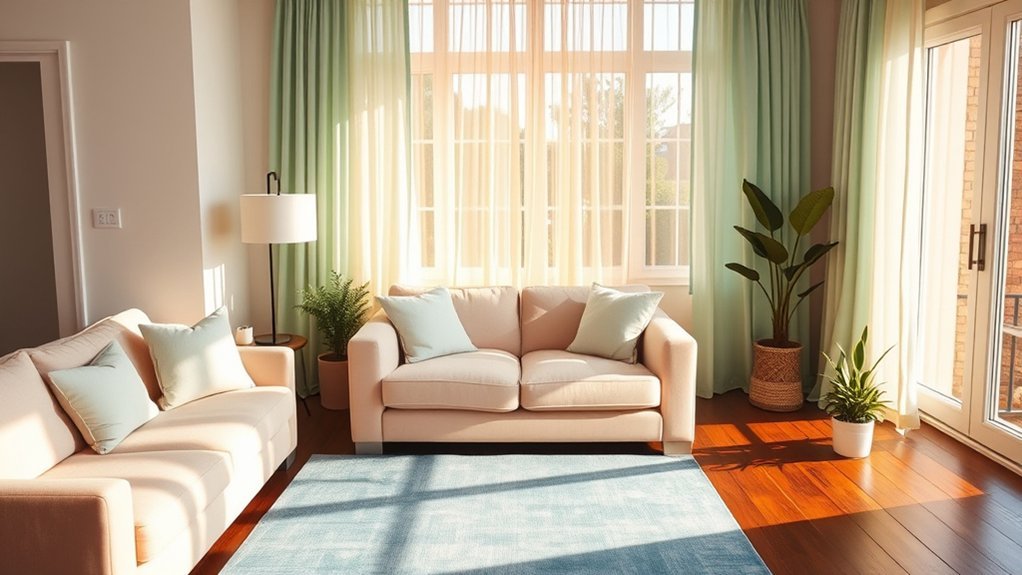
Colors aren't just visual—they're emotional conduits that transform living spaces into personal sanctuaries. When you choose colors, you're doing more than decorating; you're crafting an emotional environment. Blue might calm your nerves after a stressful day, while red could spark energy in your home office. These color associations aren't random—they trigger deep emotional responses rooted in psychology. Soft greens can make you feel grounded, and warm yellows might lift your spirits during dreary mornings. Your color choices shape how you'll feel in each room. Do some spaces feel "off" without knowing why? It could be the palette. Consider how different hues make you feel. Experiment. Trust your intuition. Your home should reflect your inner emotional world—one shade at a time.
Lighting’s Invisible Impact on Mental Wellness
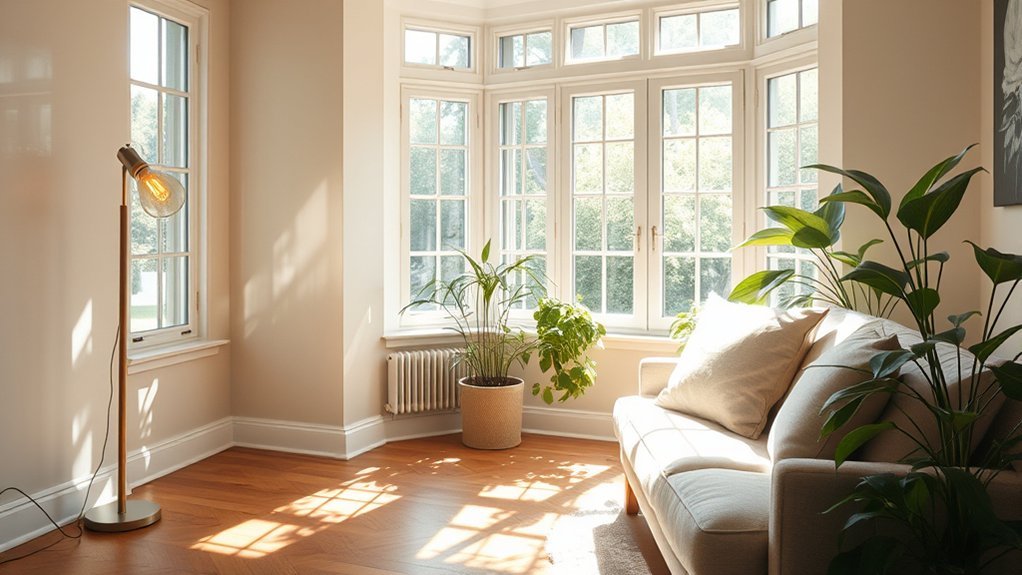
You might not realize how profoundly light shapes your mental environment, but natural sunlight can literally transform your mood and energy levels. Think about the way soft, warm lighting feels different from harsh fluorescent glares—your brain responds to these subtle color temperatures in ways that impact your emotional well-being. When you strategically adjust your home's lighting, you're fundamentally creating invisible emotional pathways that can help regulate stress, improve sleep patterns, and support your overall psychological health.
Natural Light Healing
When sunlight streams through windows, it does more than illuminate a room—it transforms our inner surroundings. Natural light isn't just visual; it's a healing force that reshapes your mental environment.
Consider how sunlight exposure impacts your wellness:
- Boosts serotonin levels, elevating mood and reducing anxiety
- Regulates circadian rhythms, improving sleep quality
- Enhances vitamin D production, supporting immune function
- Creates healing environments that feel inherently restorative
You might not realize how profoundly light affects your psychological state. Those moments when soft rays touch your skin? They're quietly recalibrating your internal systems. Some spaces feel inexplicably uplifting—and often, it's about how natural light weaves through rooms, touching corners, casting shadows that somehow make you feel more whole, more connected to something larger than yourself.
Color Temperature Matters
How deeply can light's invisible spectrum reshape your inner world? Warm hues and cool tones aren't just visual—they're psychological triggers that transform your living spaces. When you select lighting, you're actually crafting emotional environments. Soft amber glows invite relaxation, while crisp white lights spark productivity. Your brain responds to these subtle temperature shifts, sometimes without you even noticing. Cool blue-white tones might energize your morning workspace, making you feel alert and focused. Warm orange-yellow tones in evening spaces can help you unwind, signaling your nervous system that it's time to slow down. Think of color temperature as an invisible mood conductor. It's not just about brightness—it's about creating environments that support your mental and emotional rhythms. Subtle shifts can profoundly impact how you feel.
Spatial Arrangement and Psychological Comfort
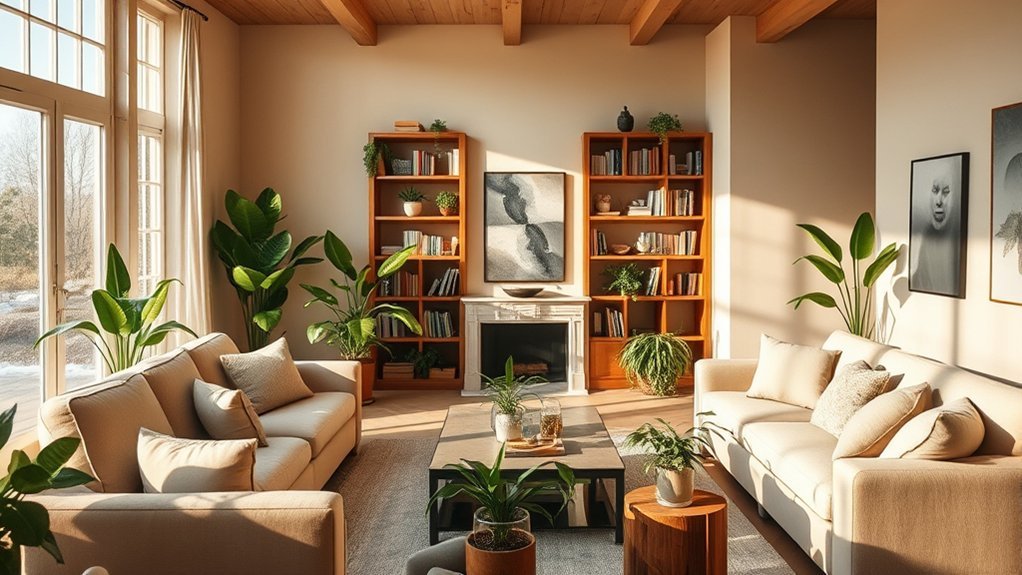
Because the way we organize our living spaces profoundly impacts our mental state, spatial arrangement becomes more than just furniture placement—it's a psychological blueprint of comfort and well-being.
You intuitively know when a room feels right. Your spatial flow determines how comfortable you'll feel in a space. Consider these key arrangement principles:
- Create clear pathways between furniture
- Position seating to face natural light sources
- Allow breathing room around key living areas
- Design comfort zones that invite relaxation
Your home's layout can either energize or drain you. When you strategically place furniture, you're not just decorating—you're crafting psychological environments. Notice how certain arrangements make you feel more calm or anxious. Some configurations feel welcoming, while others create invisible barriers that make you want to retreat.
Think about the emotional impact of your current setup. What changes might improve your daily experience?
Texture and Sensory Experiences in Home Design
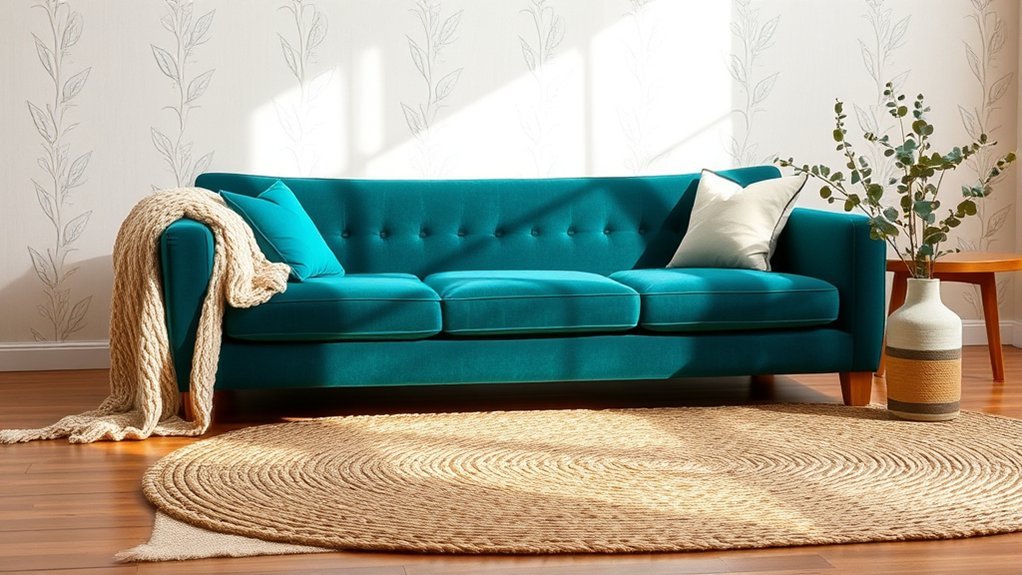
When you walk into a room, your fingers trace surfaces unconsciously, absorbing textures that whisper complex emotional messages about comfort and safety. Your home's tactile environment—from rough stone walls to silky throw pillows—communicates deeper psychological signals than you might realize, subtly influencing your mental state through sensory interactions. Color and texture blend together, creating invisible emotional pathways that can soothe or stimulate your inner world, making each touch a silent conversation between your surroundings and your nervous system.
Soft Touches, Calm Minds
If you've ever sunk into a plush armchair and felt an immediate wave of relaxation, you understand how texture transforms our emotional environment. Soft furnishings aren't just decorative—they're psychological tools for creating calm.
Your home can become a sanctuary through carefully chosen sensory experiences:
- Velvet throw pillows that invite gentle touch
- Wool blankets with subtle textural variations
- Smooth ceramic accent pieces that catch soft light
- Linen curtains that whisper with subtle movement
Cozy corners filled with serene accessories help regulate your emotional state. You'll notice how calming elements like textured rugs and plush seating can dramatically shift your mood. Want to feel more centered? Start by surrounding yourself with materials that feel good against your skin. Comfort isn't just physical—it's deeply psychological.
Rough Surfaces, Raw Emotions
While soft textures soothe, rough surfaces tell a different story. You might not realize how deeply rough textures impact your emotional environment. Think exposed brick, unfinished wood, raw stone—these tactile surfaces trigger something primal inside you. They're not just design elements; they're psychological triggers that connect you to something more authentic.
Natural materials with rough edges create sensory connections that tap into your deepest emotions. Your hands trace a weathered wooden table, and suddenly you're feeling something complex—vulnerability, strength, history. These textural experiences aren't random. They're deliberate design choices that provoke raw emotional responses.
Want to feel more grounded? Introduce rough textures. They'll challenge your comfort zone, revealing unexpected parts of yourself through pure, unfiltered sensory engagement.
Color Texture Psychological Impact
Color transforms more than just visual perception—it reshapes your entire sensory environment at home. Your emotional terrain shifts with every hue and texture, creating invisible psychological boundaries that influence mood and comfort.
Consider how different color associations impact your daily experience:
- Soft sage green invites calm, reducing stress in bedroom spaces
- Warm terracotta textures suggest intimacy and grounded energy
- Cool blue tones promote mental clarity and tranquil reflection
- Rich burgundy surfaces spark passionate, introspective moments
Texture variety matters deeply. Tactile sensations communicate subtle messages through visual harmony. Your hue preferences aren't random—they're deeply personal psychological signatures. Sensory balance isn't just about appearance; it's about how spaces make you feel, how they whisper to your subconscious, creating chromatic influences that shape your inner emotional terrain.
Personal Artifacts: Memory and Emotional Anchors
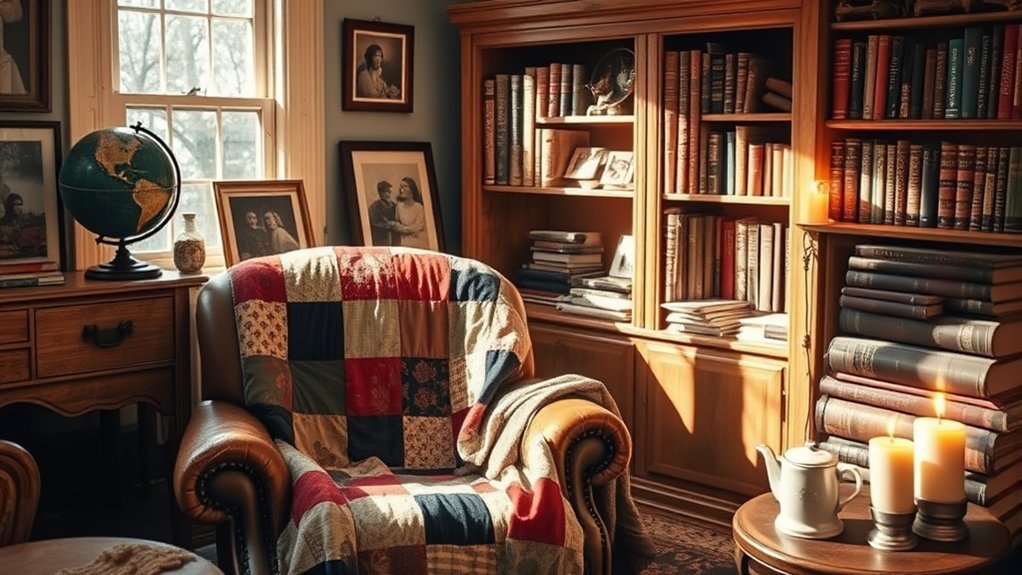
Nostalgia haunts the shelves and drawers of our personal spaces, transforming ordinary objects into powerful emotional reservoirs. Those family photographs, inherited trinkets, and childhood mementos aren't just decorations—they're memory triggers with profound emotional resonance. You know how a worn teddy bear or your grandmother's china can instantly transport you to another time? These artifacts aren't random; they're psychological anchors that ground your sense of self. When you place these objects strategically around your home, you're creating a personal narrative. They whisper stories, connect you to past experiences, and provide subtle emotional comfort. Some objects might make you smile, others might bring a twinge of melancholy. But each one represents a fragment of your lived experience, silently shaping your emotional environment.
Minimalism vs. Maximalism: Design Philosophies and Mental States
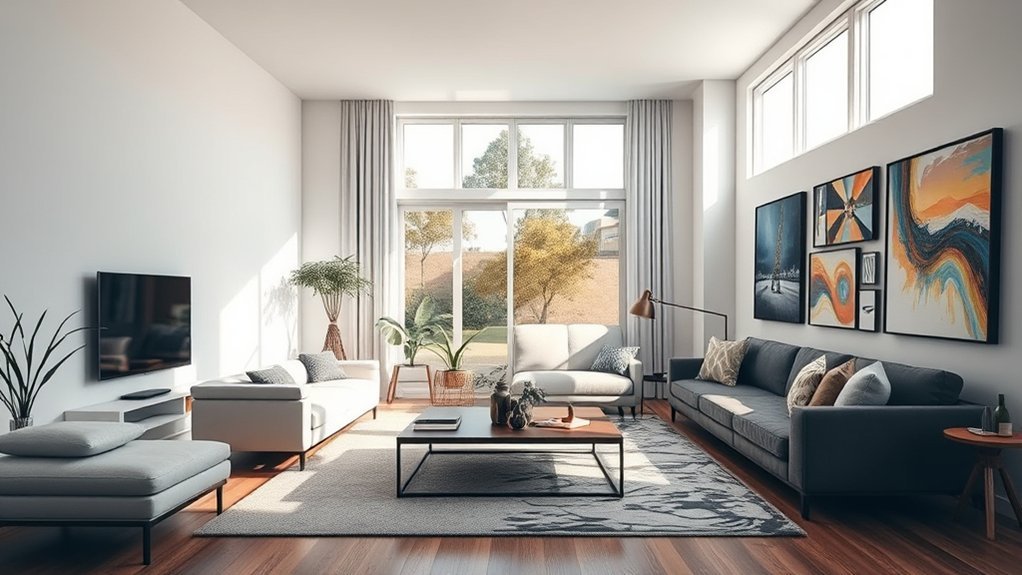
As your personal artifacts weave emotional environments, your home's design philosophy can profoundly shape your psychological expanse. Your living space becomes a reflection of inner terrains—minimalist aesthetics or maximalist expression.
Consider how design impacts mental states:
- A sparse, white-walled room with carefully curated collections
- Shelves bursting with lively objects and layered textures
- Clean lines contrasting with organized chaos
- Sensory experiences that trigger emotional clarity or potential overload
Do you prefer breathing room or visual richness? Minimalism might offer calm and mental space, while maximalism celebrates personal narrative through object density. Your design choices aren't just aesthetic—they're psychological blueprints. Some find peace in emptiness; others feel most alive surrounded by meaningful clutter. Neither approach is inherently right or wrong—just different ways of experiencing and expressing your internal world through external environments.
Frequently Asked Questions
Can Home Design Really Influence My Mental Health and Emotional State?
Yes, your home's design directly impacts your mental well-being. Color psychology and spatial layout can trigger emotional responses, influencing your mood, stress levels, and overall psychological comfort throughout your daily living spaces.
How Quickly Can Changes in My Home Environment Impact My Mood?
You'll notice mood shifts almost instantly when you alter color psychology and spatial arrangement. Bright colors can energize you within minutes, while reorganizing furniture to create open, flowing spaces can immediately reduce stress and boost your emotional well-being.
Do Different Personality Types Respond Differently to Interior Design Styles?
Your design preferences reflect your personality traits, influencing emotional responses to aesthetic choices. Introverts might prefer calming, minimalist spaces, while extroverts could gravitate toward lively, eclectic interiors that energize and express their energetic nature.
Is It Expensive to Redesign My Living Space for Better Psychological Well-Being?
You don't need to break the bank to boost your mood. Cost-effective solutions like rearranging furniture, adding plants, and using color strategically can transform your space without expensive renovations. Budget-friendly tips make psychological well-being accessible.
Can Rental Spaces Be Transformed to Support Mental Wellness Affordably?
You'll find affordable decor and rental upgrades can transform your space without breaking the bank. Removable wallpaper, versatile furniture, and strategic lighting can elevate your environment's mood, making your rental feel like a personalized sanctuary that supports mental wellness.
Final Thoughts
Your home isn't just a space—it's a living canvas of your inner world. By understanding how design elements interact with your emotions, you can transform your living environment into a sanctuary that nurtures and supports you. Small, intentional changes in color, light, and personal touches can dramatically shift your daily mood. Experiment, listen to your intuition, and create a space that truly feels like home.