When you think about design, do you prefer the clean, open look of minimalist cool or the cozy, inviting feel of intentional warmth? Both styles use white space differently—one to create clarity, the other to foster comfort. It’s not just about looks; it’s about how each approach makes you feel in a space. So, which side do you lean toward? Or maybe you see value in blending the two—something worth exploring.
The Essentials
- Minimalist Cool emphasizes open white space to create clarity and calm, while Intentional Warmth uses textured elements to foster coziness.
- White space in minimalist design enhances visual hierarchy and focus, contrasting with warm spaces where textures and colors evoke emotional comfort.
- Minimalist styles prioritize simplicity and neutral palettes, whereas warm designs incorporate rich textures and muted tones for inviting atmospheres.
- Balancing function and feel is key: minimalist spaces focus on clarity, while warm spaces incorporate cozy elements for emotional connection.
- Both styles leverage white space and textures differently to shape perception—calm and clarity versus warmth and intimacy.
Defining the Aesthetics: What Is Minimalist Cool?

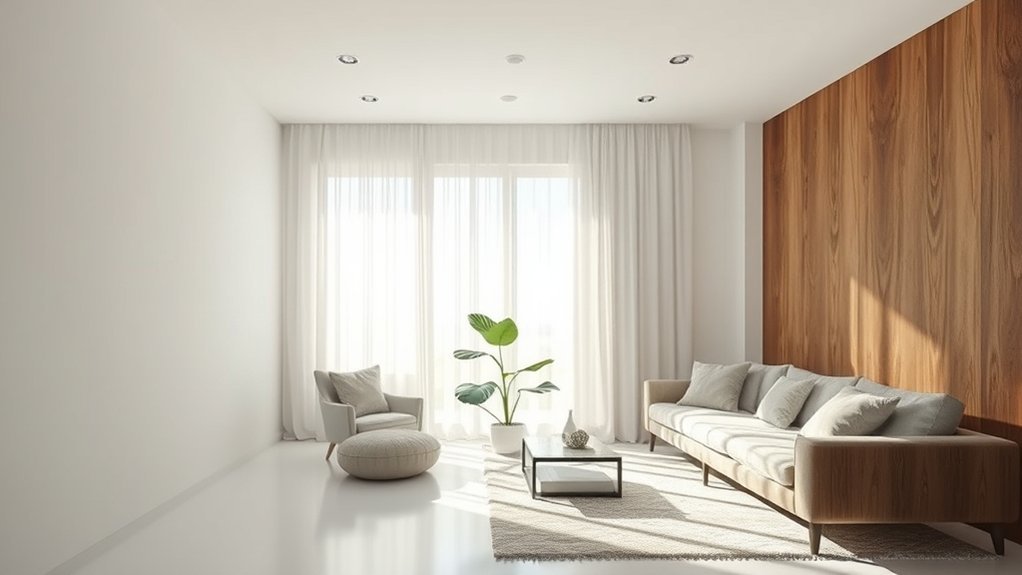
When you hear “minimalist cool,” it’s often about more than just looks. It’s a style rooted in minimalist design, which strips things down to essentials. This aesthetic philosophy values simplicity, clean lines, and open space. You might notice how everything feels uncluttered but intentional. It’s about creating a sense of calm, not just for the eye but for the mind. Do you ever wonder if less really is more? Minimalist design doesn’t mean boring—it’s about choosing quality over quantity. You may see neutral colors, sleek furniture, and little decoration. The goal: let the space breathe. It’s not about perfection but about clarity and purpose. So, when you think of minimalist cool, think of a space that feels effortless and thoughtfully curated.
Embracing Comfort: The Essence of Intentional Warmth
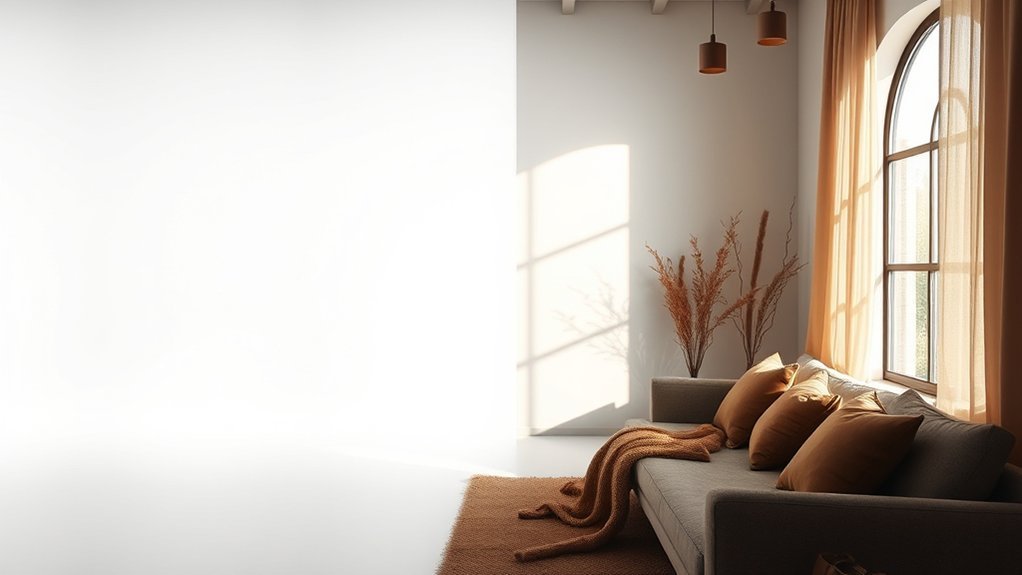
You might notice how cozy textures like soft blankets or woven rugs instantly make a space feel warmer. Using warm color palettes—think muted oranges or deep browns—can also create that inviting vibe. Have you thought about adding personal touches, like favorite photos or meaningful accessories, to really make your space feel like yours?
Cozy Textures and Fabrics
Textured throws, chunky knit blankets, and soft rugs immediately make a space feel inviting. You’ll notice cozy blankets draped over a chair or sofa, adding warmth and a tactile layer that invites touch. Inviting cushions in plush fabrics also help create a sense of comfort—think velvet or linen, something you want to sink into. It’s about more than just looks; textures influence how you feel in a room. Have you ever noticed how a rough fabric can be unsettling, while something soft makes you want to stay longer? It’s subtle but powerful. Sometimes, a simple swap of a cushion cover or adding a thick throw can change the whole vibe. Are you leaning toward comfort, or do you prefer sleek minimalism?
Warm Color Palettes
A few warm tones can change the whole vibe of a room. When you choose warm hues like soft terracotta, rich amber, or gentle ochre, you tap into color psychology that promotes comfort and relaxation. These shades add emotional resonance, making your space feel more inviting. It’s about palette harmony—balancing warm colors with neutral tones so nothing feels off. Sometimes, adding lively accents like mustard or rust can bring energy without losing the cozy feel. This creates design warmth and fosters an inviting atmosphere. Do you want your space to feel more alive or calm? Mixing warm colors thoughtfully helps you achieve that aesthetic balance. It’s subtle but impactful—warm color palettes aren’t just pretty; they shape how you experience your space every day.
Personal Touches and Accessories
Warm colors create a cozy backdrop, but the real magic comes from the personal touches you add. Think about your favorite personal mementos—photos, souvenirs, or heirlooms—that tell your story. These little items make a space feel lived-in and genuine. Decorative accents, like textured throws, soft pillows, or unique vases, also help create that warm, inviting vibe. It’s not about filling every corner but choosing meaningful pieces that resonate with you. Do you want your space to feel more like you? Sometimes, it’s just about adding a few well-chosen touches that make you smile or feel more at home. After all, it’s your space. Why not make it reflect your unique warmth?
Visual Impact: How White Space Shapes Perception
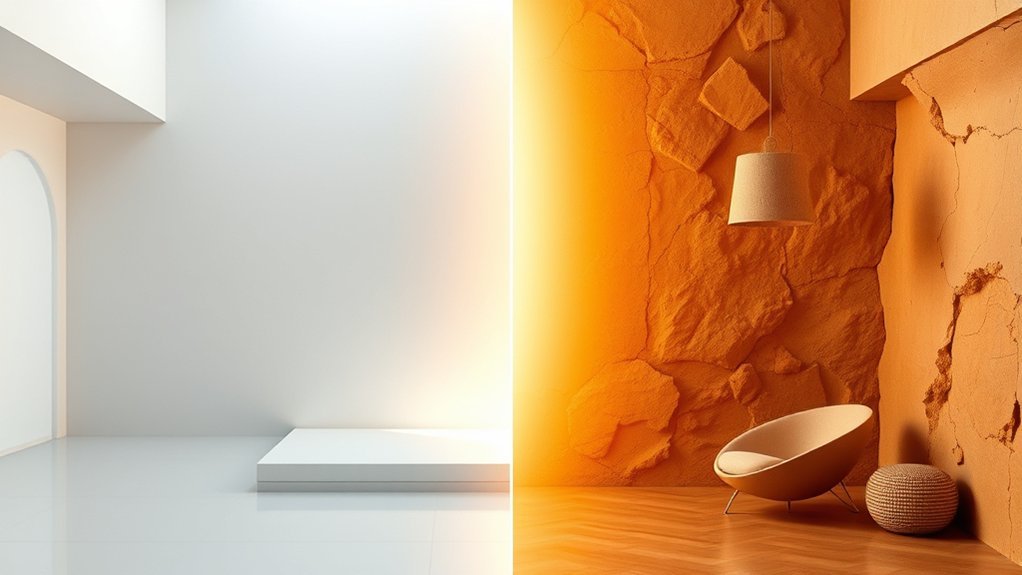
White space isn’t just empty space; it actually shapes how you see and feel about a design. It helps create a visual hierarchy, guiding your eye to the most important parts first. When there’s enough white space, your focus stays on the key elements, and clarity improves. Without it, things can feel cluttered or overwhelming. Think about a webpage—if everything’s crammed together, it’s hard to tell what matters. But if sections are spaced out, it’s easier to scan and understand. Sometimes, less is more. Do you notice how a simple design feels calmer? White space isn’t just filler; it’s a tool to control perception and make your message clearer. How can you use it to make your own work more effective?
Emotional Connection: The Role of Texture and Color
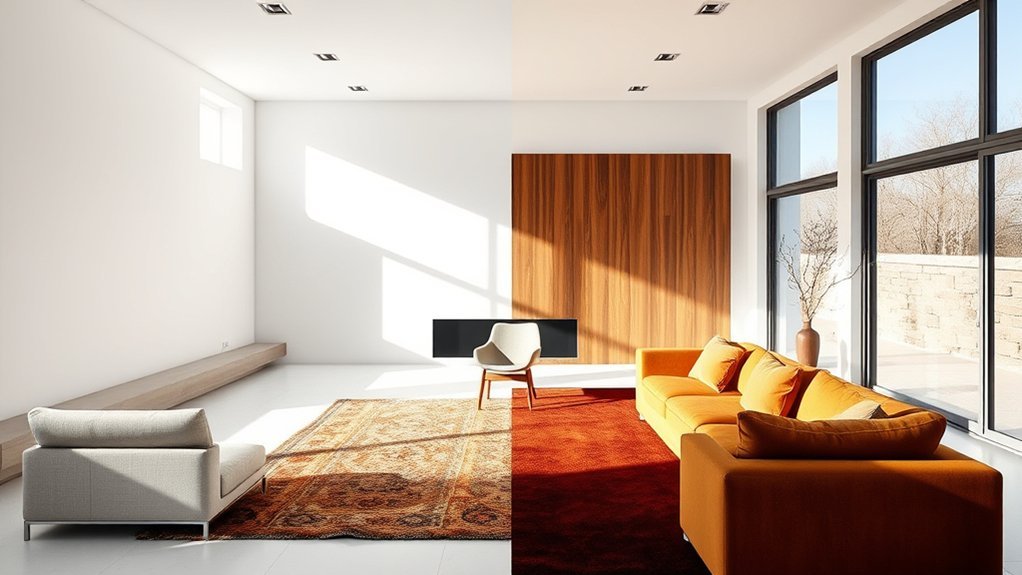
Think about how a soft, textured blanket can make a room feel cozy or how bold colors might lift your mood. Texture really does influence how you connect emotionally with a space, right? And color—do you notice how warm tones can make you feel more welcomed, while cooler shades keep things calm?
Texture Enhances Feelings
Texture can be a game-changer when you want a space to feel more personal and inviting. You might try texture layering—mixing smooth with rough, soft with hard—to create tactile experiences that draw people in. Think about adding a chunky knit throw or a rough wooden table next to sleek ceramic vases. These differences make your space feel more alive, more real. When you touch a variety of textures, it sparks feelings—comfort, curiosity, even nostalgia. Do you notice how some surfaces just feel right? That’s the power of texture. It’s not about filling space but making it feel intentional. So, what textures make you feel most at home? Sometimes, the smallest change can make a room truly yours.
Color Sets Mood
Colors can really influence how a space makes you feel, sometimes more than you realize. That’s where color psychology comes in. Different hues can evoke specific emotions and set the mood. For example, soft blues and greens tend to promote calm and focus, while warm reds and oranges boost energy and warmth. When choosing your palette, think about what vibe you want to create. Do you want a peaceful retreat or an energetic hub? Color sets mood, and it’s not just about looks. It’s about how you feel in the space. Sometimes, a splash of yellow can lift spirits, but too much might feel overwhelming. So, ask yourself—what kind of emotional connection do you want to foster? Your color choices can subtly guide your mood day-to-day.
Balancing Functionality and Feelings in Design
Finding the right balance between functionality and feelings in a space can be tricky. You want it to work well, but also feel right. That’s where the idea of a functionality balance comes in. It’s not just about having things that serve a purpose, but also about feelings amalgamation—making sure the space feels inviting, not sterile. Sometimes, you add a cozy throw or warm lighting to soften a minimalist design. Other times, you might need to rethink an awkward layout that looks good but isn’t practical. Ask yourself: does this space make me want to stay? Or does it just look nice? Striking that balance isn’t about perfection. It’s about making sure your environment works for real life and feels good too.
Trends and Future Directions in the War of White Space
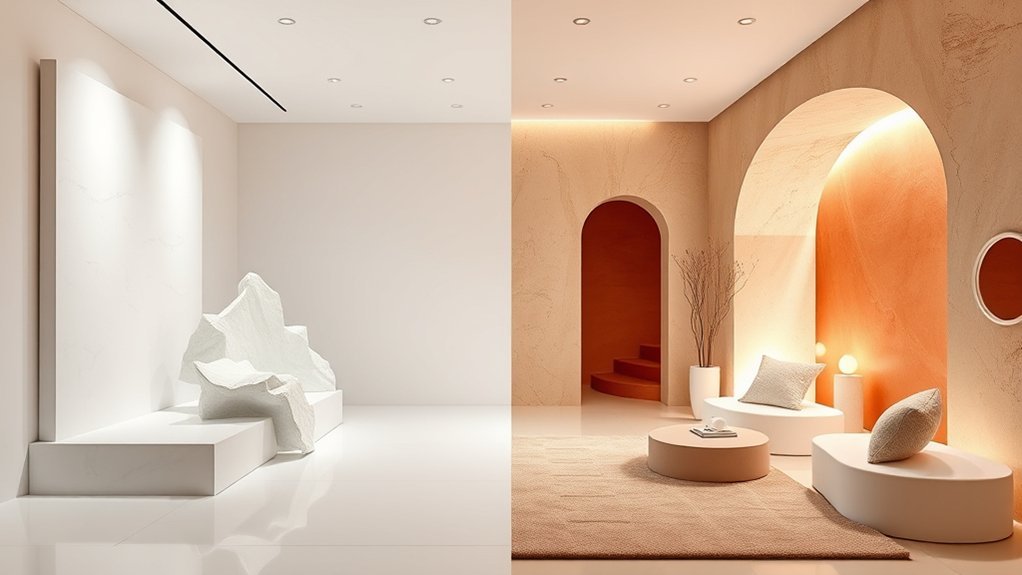
As styles shift and tastes evolve, the war of white space keeps changing too. You might notice design evolution leaning towards bold minimalism or warmer, more inviting spaces. Future trends seem to blur the lines between these approaches, encouraging artistic expression that’s flexible and personal. Maybe you’ll see more use of textured whites or subtle color undertones that add warmth without cluttering the space. It’s about finding new ways to balance simplicity with personality. Are you experimenting with different shades or materials? How can white space serve as a canvas for your unique style? The key may lie in understanding how these trends adapt to your needs, making your space both minimalist and warm — a true reflection of your evolving taste.
Frequently Asked Questions
How Do Cultural Differences Influence Minimalist Cool and Warm Design Choices?
You see that cultural symbolism shapes your design preferences, influencing whether you lean toward minimalist cool or intentional warmth. Cultural backgrounds guide your choices, affecting color palettes, textures, and overall aesthetics to reflect your cultural identity.
Can a Space Effectively Combine Both Minimalist Cool and Intentional Warmth?
You can create a hybrid aesthetic by blending minimalist cool with intentional warmth, achieving a design balance that feels both sleek and inviting. This approach enhances space functionality and emotional appeal, making your environment uniquely harmonious and visually engaging.
What Psychological Effects Do White Space and Warmth Evoke in Viewers?
You might notice white space evokes calm and clarity, fostering visual comfort and positive emotional responses, while warmth adds coziness and connection, making viewers feel more engaged and emotionally open in the space.
How Do Lighting Strategies Impact the Perception of Warmth or Coolness?
Lighting strategies profoundly influence your perception of warmth or coolness by adjusting lighting temperature, which shapes the ambiance perception. You can create inviting warmth or crisp coolness, guiding emotional responses and setting the overall mood in any space.
Are There Iconic Examples Exemplifying the War Between These Two Aesthetics?
You see modern architecture, design movements, iconic brands, and visual art showcasing the war between cool minimalist whites and warm tones. These examples highlight how aesthetics influence perception, blending simplicity with emotional warmth to shape iconic visual identities.
Final Thoughts
So, whether you prefer clean, open spaces or cozy, textured rooms, it’s about what feels right for you. You might mix elements from both styles—using white space to keep things simple but adding warm touches for comfort. Ask yourself, what kind of vibe do I want to create? Sometimes, blending the two can make your space truly yours—balanced, inviting, and uniquely you. After all, isn’t that what good design’s all about?